
Who is ARFF?
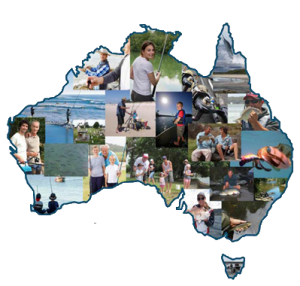
The Australian Recreation Fishing Foundation is the national representative organisation for recreational fishing in Australia. Together with our members, we strive to support Australia’s 5 million recreational fishers and promote ethical, sustainable, and enjoyable fishing.
Key Resources
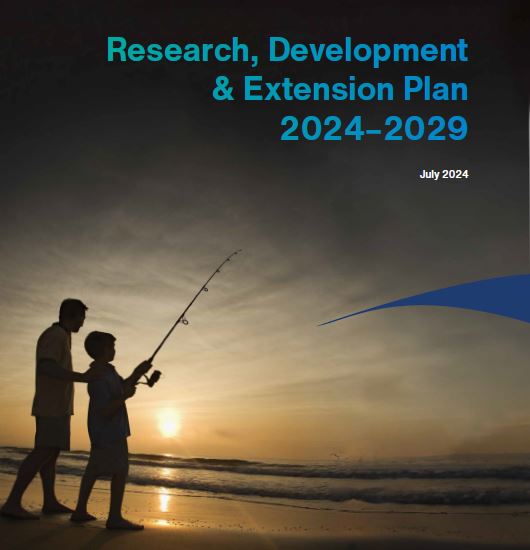
The Australian Recreational Fishing Foundation, in collaboration with the Fisheries Research & Development Corporation, is proud to announce the release of the RecFishing Research; RD&E Plan, 2024-2029, which has been developed to strategically address the needs of the Australian recreational fishing sector over the next 5-10 years. In developing the plan, RecFishing Research was able to leverage the extensive reach of ARFF’s member organisations to identify the issues most important to the future of fishing in Australia.

You can read the plan by clicking the image.

Gone Fishing Day 2026: Australia’s Biggest Celebration of Recreational Fishing
The Australian Recreational Fishing Foundation (ARFF) is inviting Australians of all ages and experience levels to get out on the water and celebrate Gone Fishing Day 2026, taking place nationwide on Sunday 18 October.
Gone Fishing Day is Australia’s annual celebration of recreational fishing. Established in 2016, the day is all about one simple thing: getting outdoors, wetting a line and enjoying everything that recreational fishing has to offer.
Whether it is casting from a favourite riverbank, dropping a line from a jetty, heading offshore or spending the day in a tinny on the bay, Gone Fishing Day is an opportunity for Australians to get involved and share their passion for fishing.
Across the country, hundreds of events are expected to be held by fishing clubs, schools, community groups and other organisations. These events will bring people together to celebrate fishing, introduce new people to the pastime and encourage Australians to spend time outdoors enjoying their local waterways.
Fishing clubs, community groups and families are encouraged to plan their own Gone Fishing Day activities and join the nationwide celebration.
So, mark Sunday 18 October 2026 in the calendar, grab your fishing gear and get out to your favourite fishing spot.
However you fish, wherever you fish, make the day yours.
For information on Gone Fishing Day events, including how to register an event or find one near you, visit Gone Fishing Day.
New National Research Maps out Stewardship in Australian Recreational Fishing
Australia now has its first evidence-based picture of how recreational fishers understand and practise stewardship. Fishers aren’t a single audience, so the stewardship messaging shouldn’t treat them like one.
The findings come from FRDC Project 2024-073, A national study of stewardship in recreational fishing, led by Neil Howells of Hudson Howells. The project combined a literature review, sector-wide interviews, and a national survey of more than 2,500 recreational fishers to build a picture of stewardship behaviours, motivations and barriers across the country.
This research delivers directly against priorities ARFF helped set. In partnership with FRDC, ARFF co-developed the RecFishing Research, Development and Extension Strategy 2024–2029, which set six Areas of Impact as research priorities for the sector. Project 2024-073 contributes to three of the strategy’s six pathways:
- Pathway 4: Stewardship – supporting the recognition of recreational fishers as environmental custodians by enhancing engagement, participation and awareness
- Pathway 1: Thriving Fisheries – providing evidence-based insights to improve fisheries sustainability through fisher-driven conservation actions
- Pathway 5: Capacity Building – strengthening governance, leadership and capability within the sector to support long-term stewardship initiatives
Under Pathway 4 specifically, the strategy called for an “audit of recreational fishing stewardship activities and understanding of stewardship in the sector” as a required output, working toward the long-term outcome that recreational fishers are recognised as trusted custodians of fisheries resources and their environments. Project 2024-073 delivers exactly that output — and the findings, roadmap and communication toolkit now come back to ARFF as one of the named organisations set to put them into practice.
The headline finding is a new segmentation model that splits recreational fishers into four distinct groups, each with different motivations, behaviours and responses to stewardship messaging. That has direct implications for ARFF and the wider sector: a single national campaign line won’t shift behaviour equally across all four groups. Engagement strategies need to be built around who’s already on board, who’s close, and who needs a different message entirely.
The research also puts a number on something ARFF has flagged anecdotally for a while: a large share of fishers already carry out stewardship actions like picking up litter, practising catch-and-release, reporting environmental issues without identifying any of it as “stewardship.” Fishers connected to clubs or associations were significantly more likely to be engaged, underlining the value of structured pathways like ARFF’s own network.
The project has delivered a set of practical tools, not just a report:
- A national stewardship roadmap
- A communication toolkit for agencies, peak bodies and organisations working with fishers
- A segmentation methodology and dataset, giving the sector its first national benchmark to track stewardship engagement over time
These are designed to be used directly by state and territory recreational peak bodies, and fisheries management agencies to shape targeted, better-informed engagement programs.
Watch the webinar
The project team walked through the findings and what they mean for the sector in a recent webinar:
Full project details, the final report and all supporting attachments, including the plain language summary and communication toolkit, are available on the FRDC project page: frdc.com.au/project/2024-073
This research sits squarely within the Stewardship Pathway of the Recfishing Research Strategy. It provides ARFF with a solid evidence base to build on as we shape stewardship initiatives with our members and partners going forward.
Celebrate Gone Fishing Day 2025 – Sunday, 19 October
Get ready to cast a line and join thousands of Aussies celebrating Gone Fishing Day 2025 on Sunday, 19 October!
Gone Fishing Day is all about sharing our love of fishing and the many benefits it brings — from time spent outdoors to the connections we build with family, friends, and our local communities. It’s also a day to appreciate Australia’s stunning natural environments and the role recreational fishing plays in connecting us to them.
Theme for 2025:
The 2025 theme will be released shortly…
Find an Event Near You
Across the country, fishing clubs, groups and volunteers are hosting events to celebrate Gone Fishing Day — from local community competitions to kids’ clinics and environmental activities. Keep an eye out for a full list of events closer to the date, by state, on the OzFish website: ozfish.org.au/gone-fishing-day.
How to Get Involved
Grab your fishing gear, rally your family or friends, and make plans to spend Sunday, 19 October 2025 outdoors. Whether you’re casting a line for the first time or a seasoned angler, it’s a great chance to discover new fishing spots, meet other anglers, and celebrate the joy of recreational fishing.
Gone Fishing Day is an initiative of the Australian Recreational Fishing Foundation (ARFF), the national voice for Australia’s recreational fishing community. These events are proudly supported by BCF – Boating, Camping, Fishing.
National Recreational Fishing Forum Highlights
What an incredible day at the Recreational Fishing Forum 2025!
A huge thank you to everyone who joined us at the Sofitel Broadbeach to make this event such a success. From celebrating the leadership of women in fishing, to exploring the power of recreational fishing data, and sharing stories of stewardship and community action, your energy and insights are helping shape the future of our sector.
Together we’re building a stronger, more connected recreational fishing community.
Recreational Fishing Research Coordination Program Testimonial Video
Recreational Fishing Research Coordination Program Testimonial Video
Behind every strong fishing community is strong research and collaboration.
Find out how the Recfishing Research Coordination Program is leading the way—and how you can be part of it.
Recreational Fishing Forum 2025
Recreational Fishing Forum 2025 – Driving the Future of Recreational Fishing
Join recreational fishing leaders and advocates from across Australia for a one-day forum dedicated to strengthening and advancing the sector. This event brings together peak bodies, decision makers, researchers, and innovators to share initiatives and insights, while building capacity and connection across the recreational fishing community.
Key themes include:
The Power of Recreational Fishing Data
The Economic Value of Recreational Fishing
Rec Fisher Stewardship
Elevating Women in Fishing
If you’re passionate about the future of recreational fishing, whether you work, play or have any role in the sector — this is an event not to miss.
To find out more about the event and register your spot visit the website!
THE NATIONAL FISHERIES PLAN
The National Fisheries Plan aims to support and empower all sectors of the fishing, aquaculture and seafood community. These sectors are commercial, Indigenous and recreational fishing (marine, lakes and rivers), aquaculture and post-harvest. The broader fishing, aquaculture and seafood community also extends to those involved in fisheries research and members of the general public who consume seafood or otherwise have an interest in fisheries.
To find out more about the National Fisheries Plan click the link provided.
Department of Agriculture, Fisheries and Forestry – National Fisheries Plan